

Out of the Park
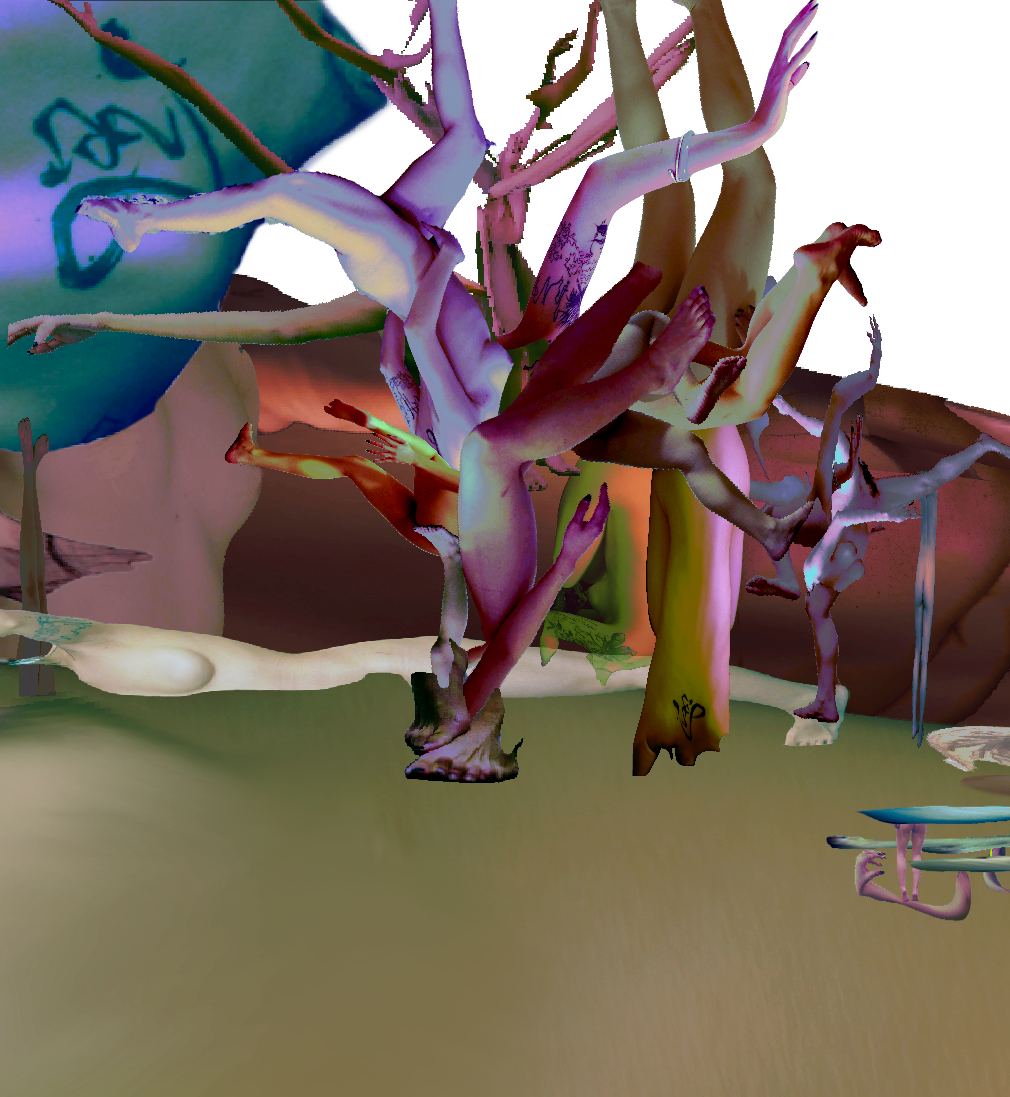
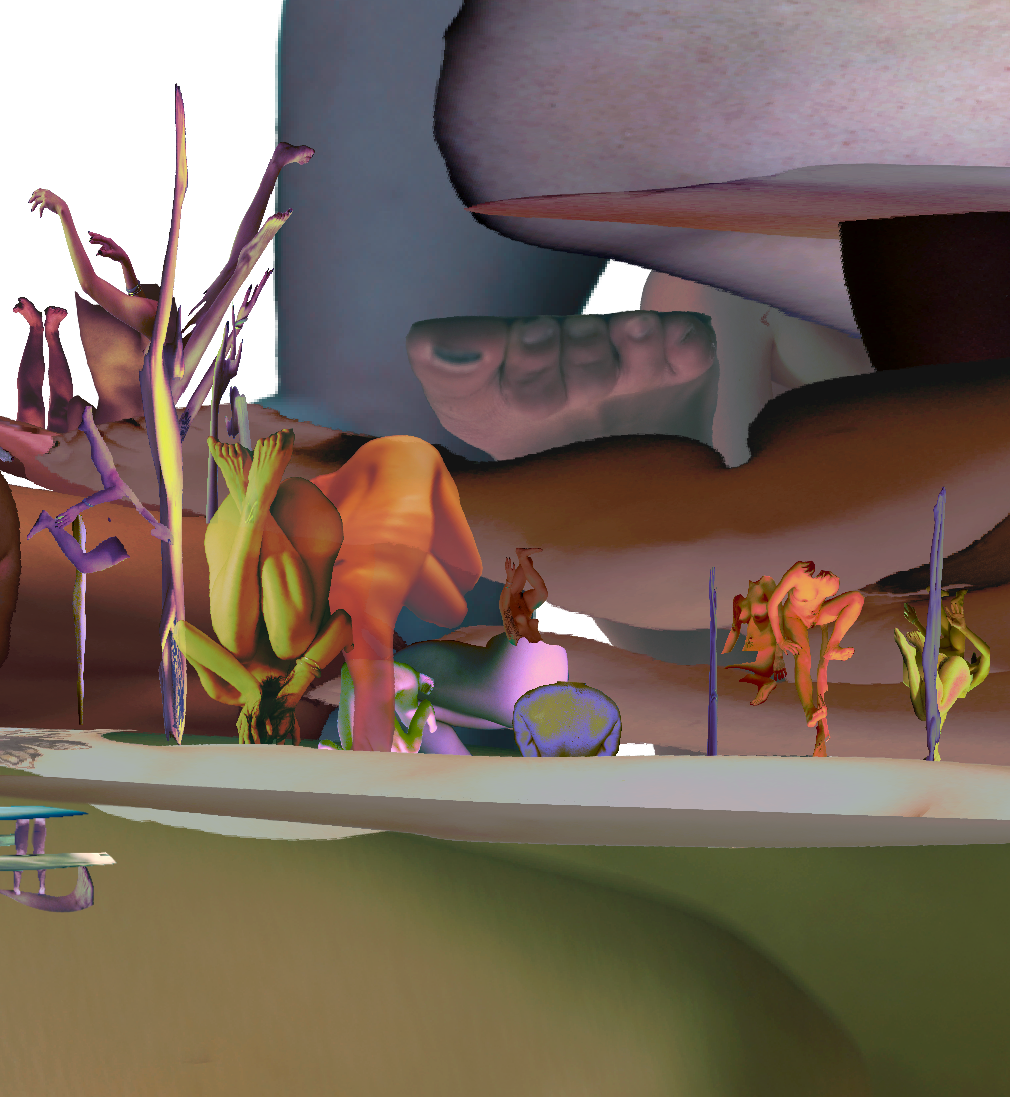
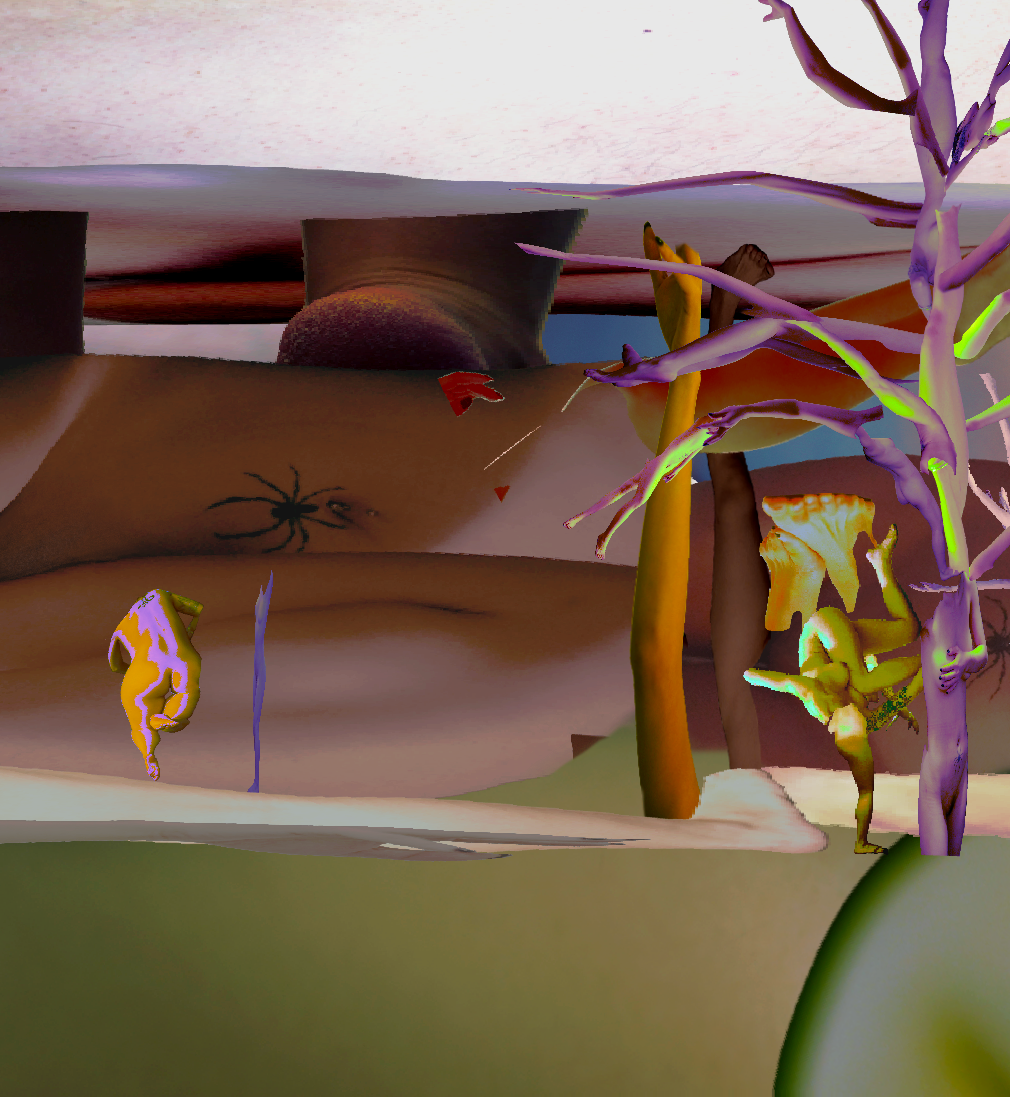
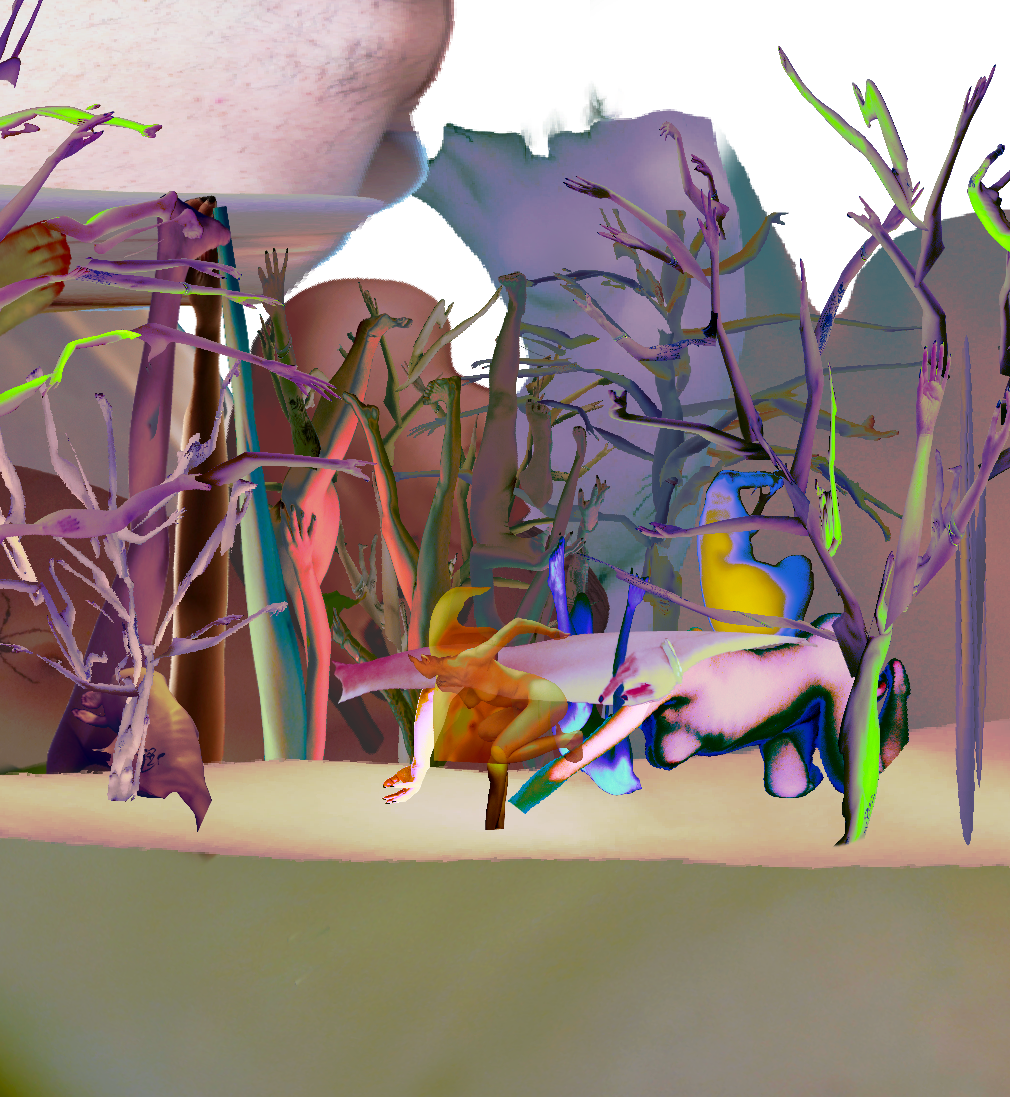
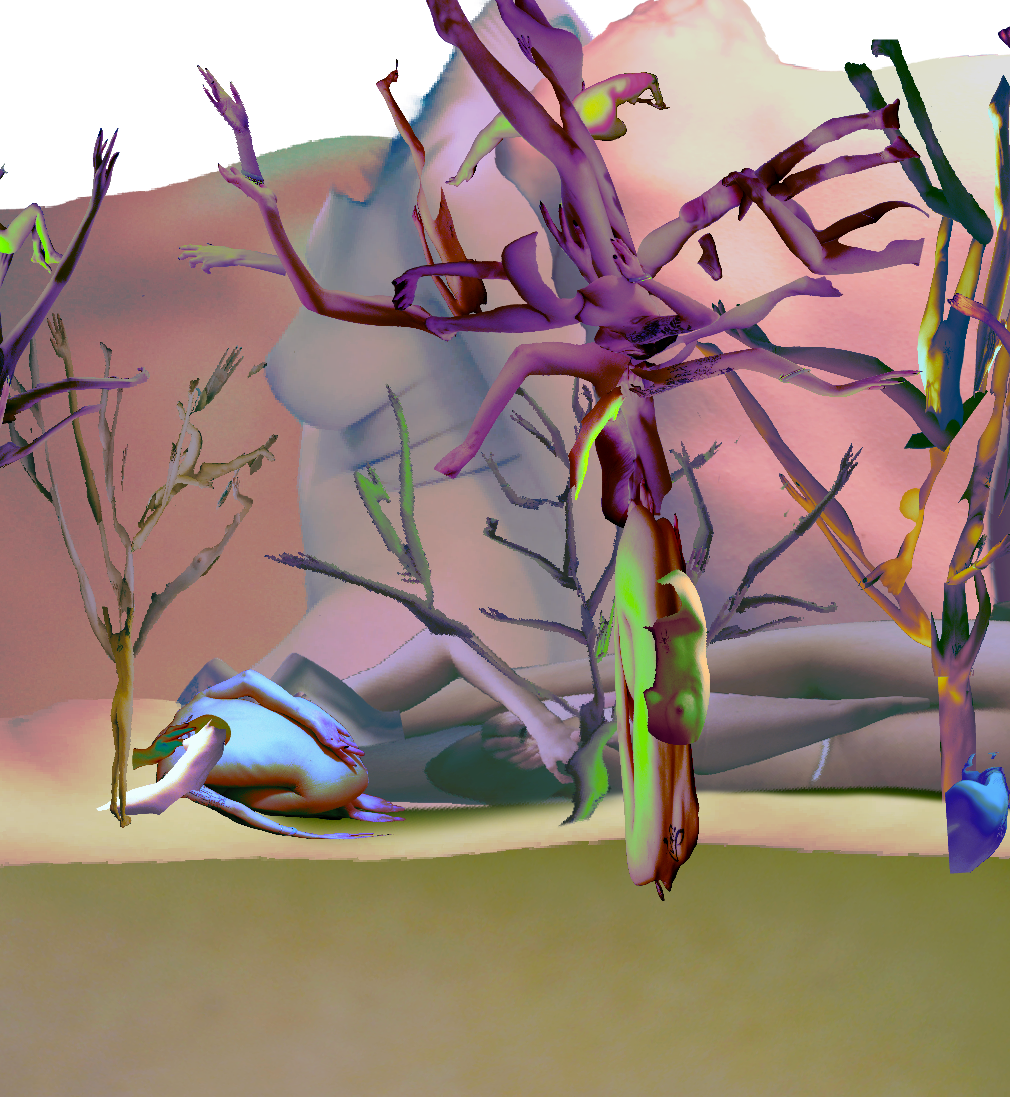
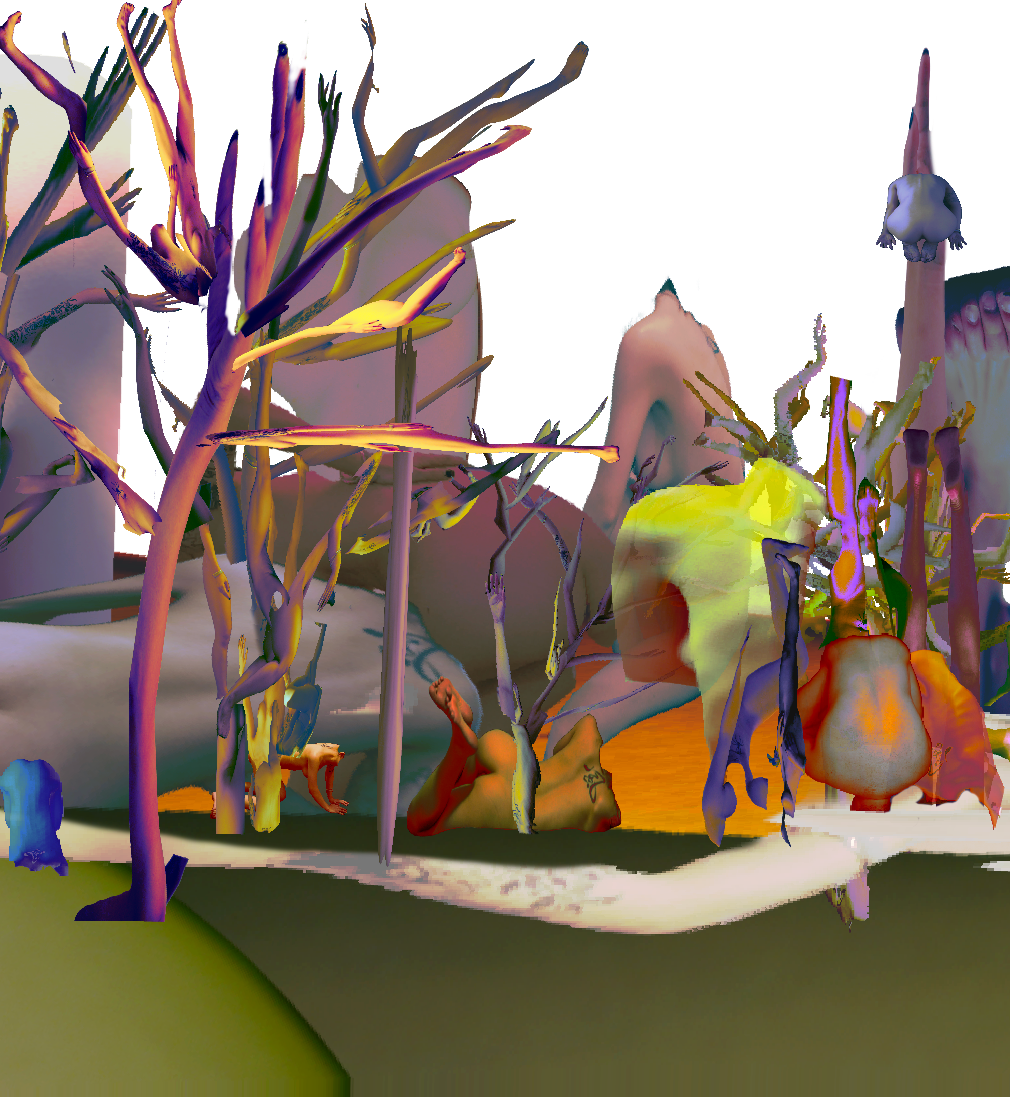
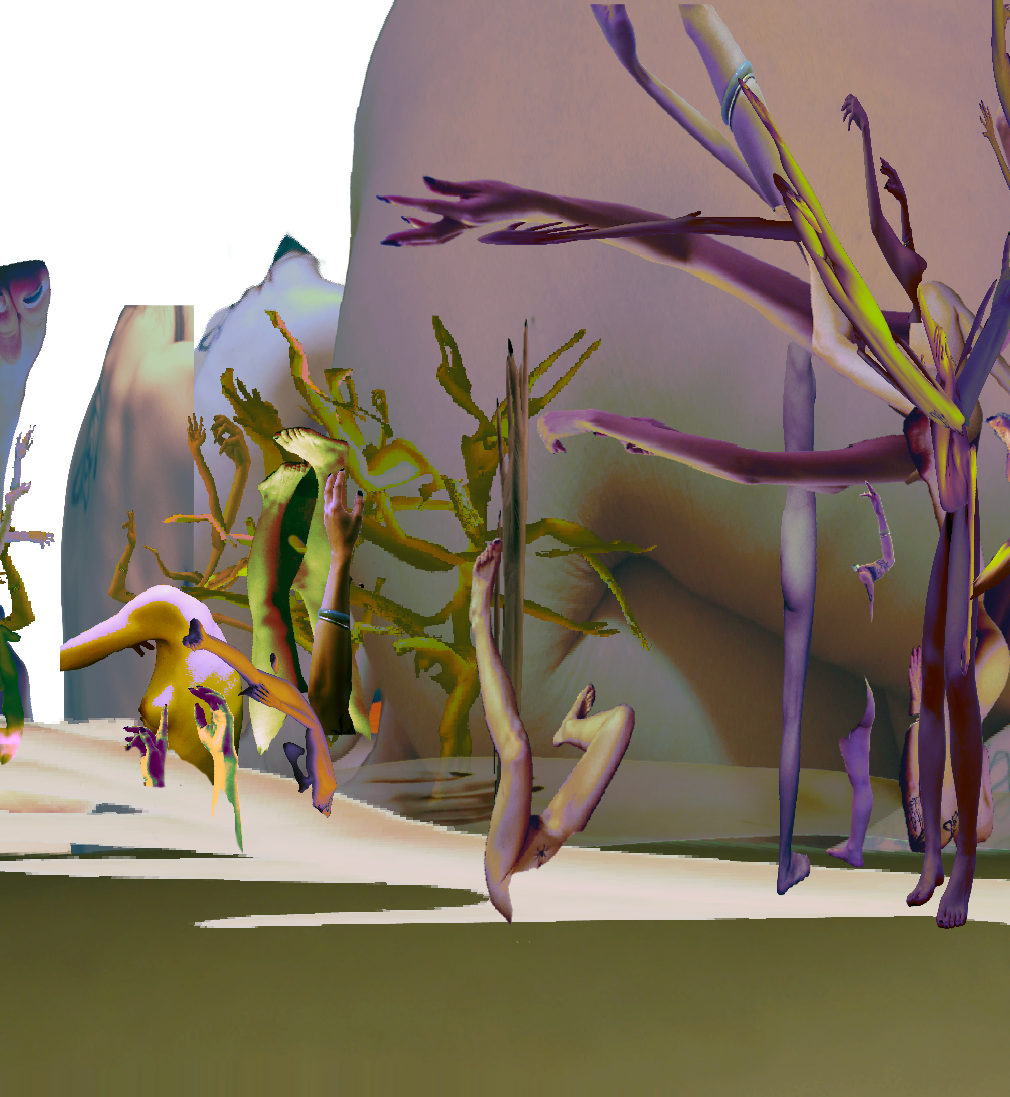
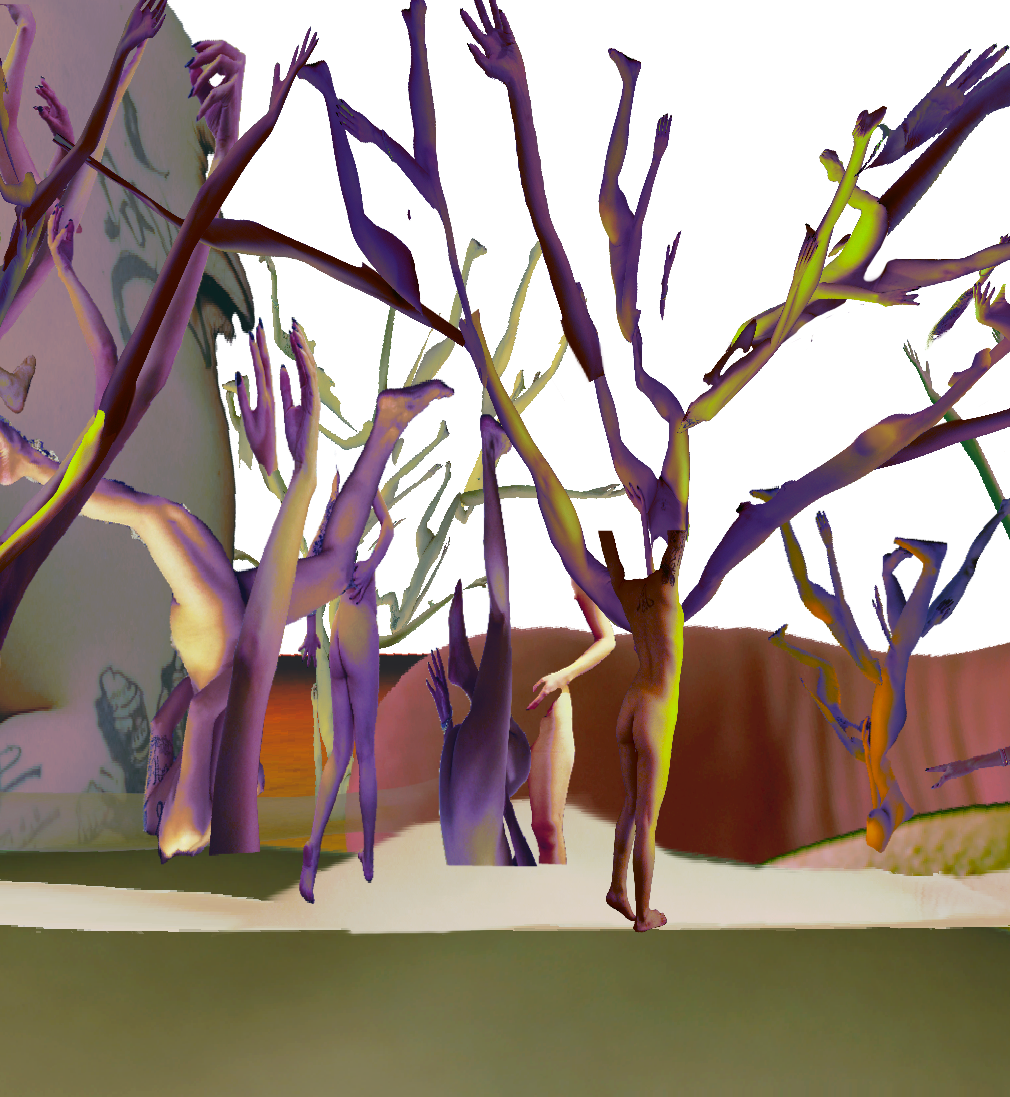
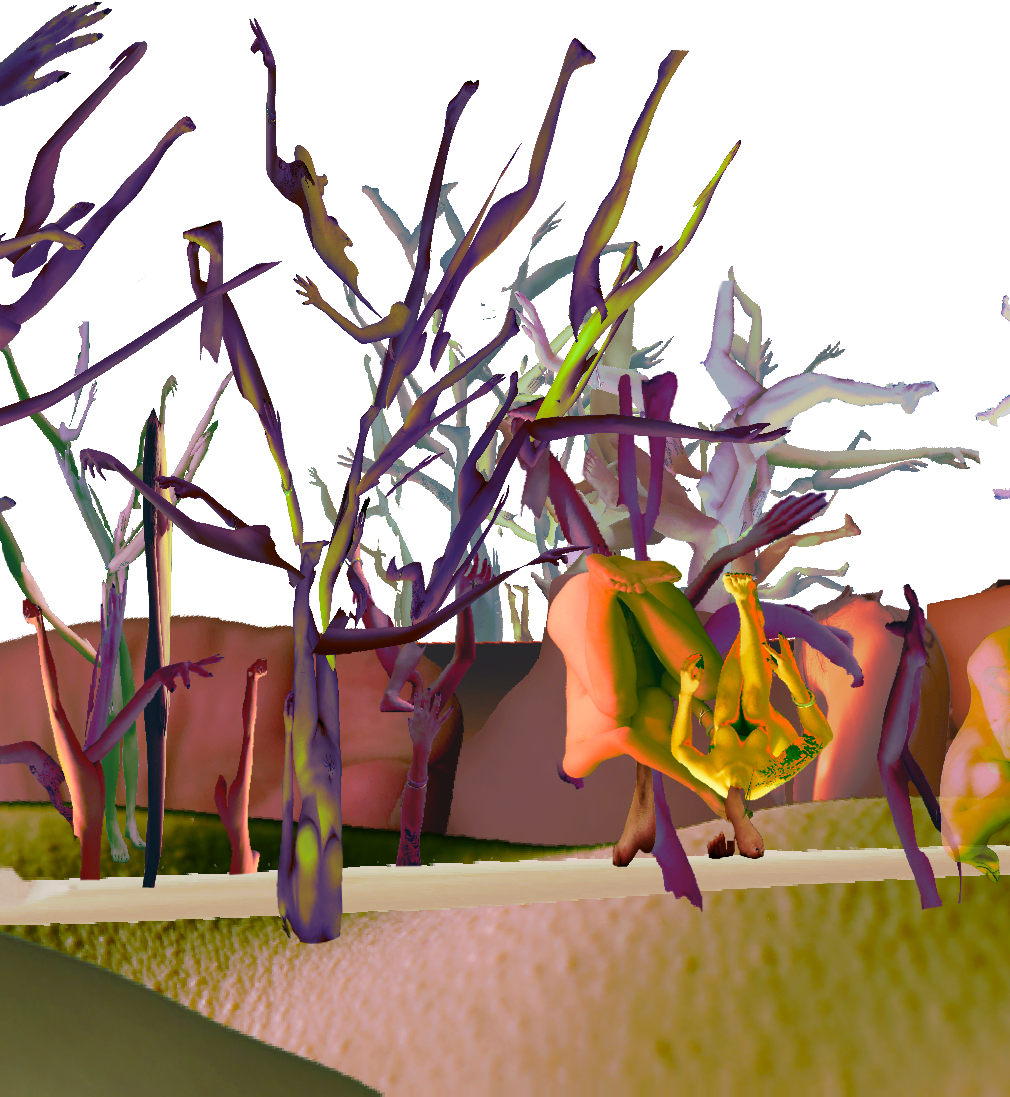
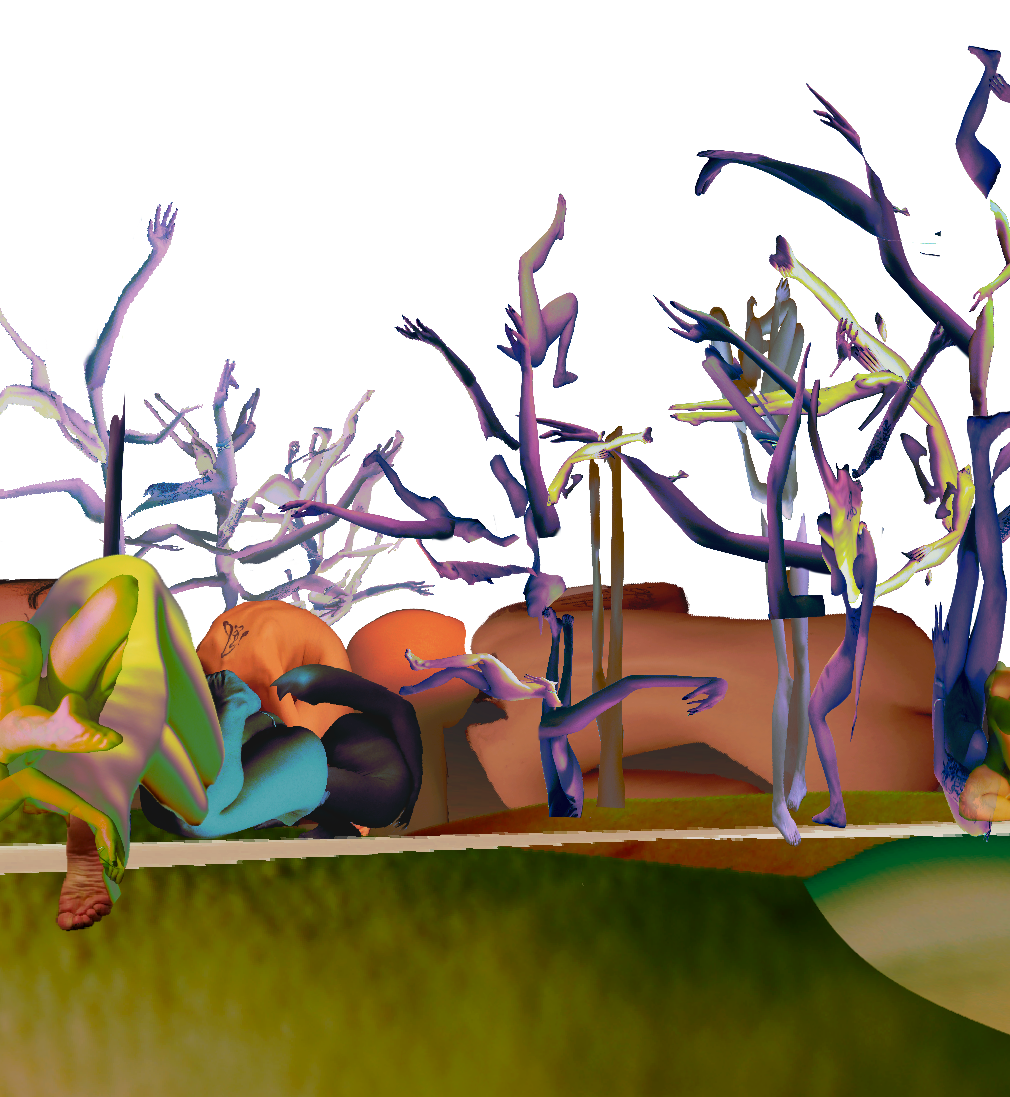
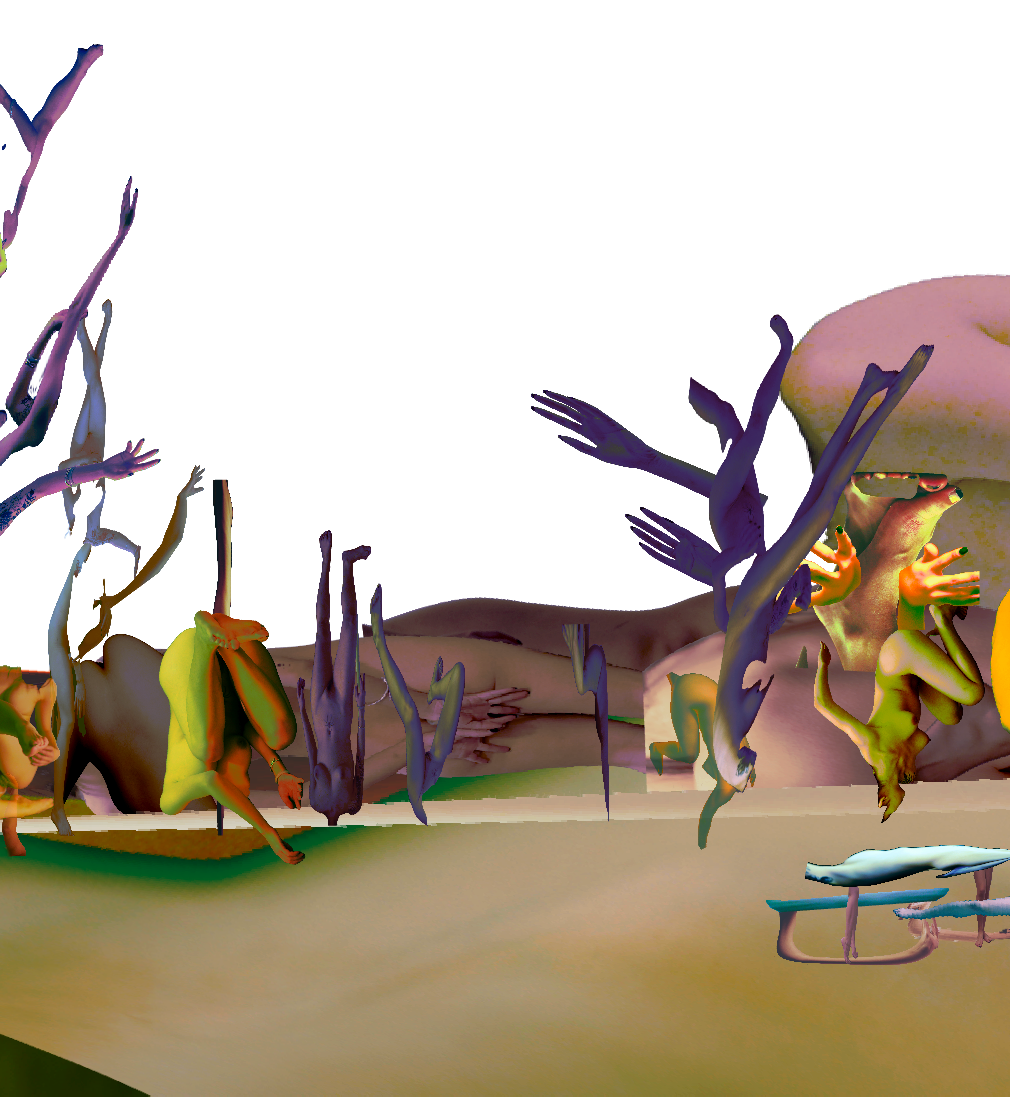
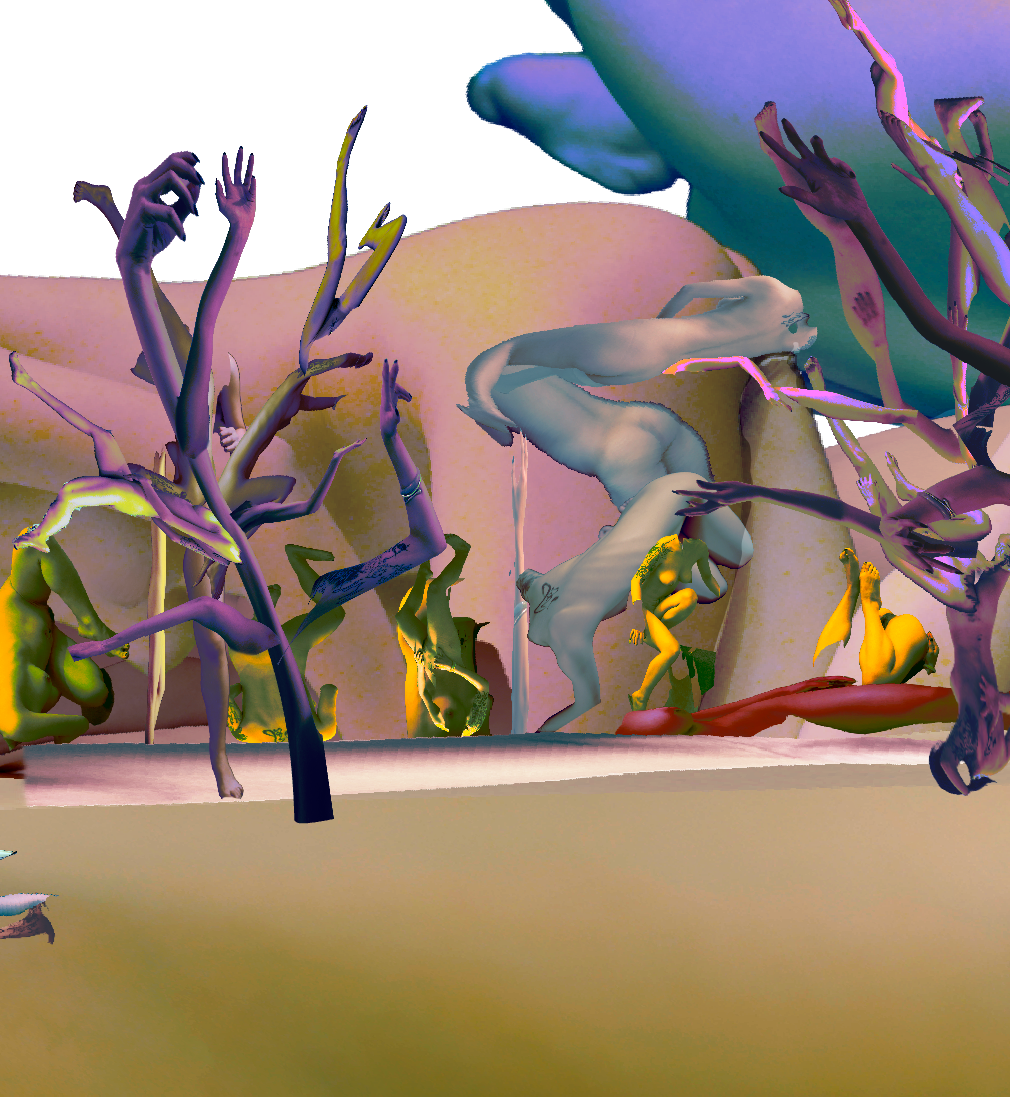
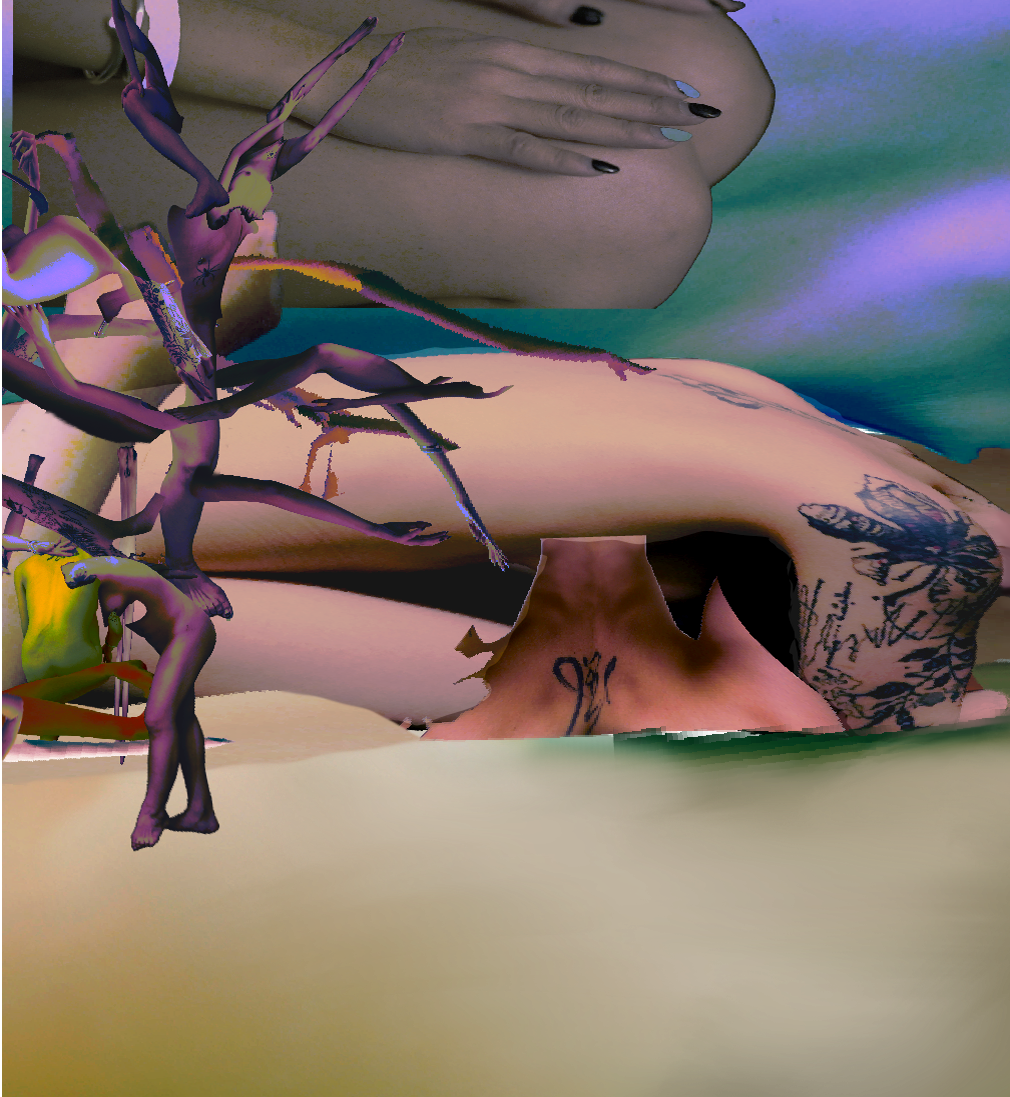
Out of the Park is an interactive documentary that introduces the hybrid integration of human activities and environmental landscapes in a park of the urban system from assemblage thinking. When speaking of the city, such industrial composition of buildings and facilities that serve people often doesn't remind us of an organic whole assembled in order. However, with the guidance of the assemblage theory, I became aware that change in one of the constituent elements of the city may affect the entire urban system through interaction and feedback.
Grange Park, as part of the urban system of Toronto, plays a role with similar essence of interconnectedness and co-functioning as the ecosystems. I propose a hypothesis with perceptual transformation in which the component elements of a physical park scene are substituted with body fragments to emphasize the relational aspect of the urban system, mainly focusing on the interrelationship between the components of the system rather than the components themselves. The visual hybridization of anthropogenic and natural components prevents the use of society and nature as separate ontological domains. Thus the concept of the city park as an assemblage is being visualized, namely that it is composed of heterogeneous elements with human and non-human, organic and non-organic, and technical and natural components. The bodily materials also suggest multiplicity and cross-fertilization as human and non-human components, while the body as landscape collage challenges the understanding of the city premised on the dualistic thinking of structure-agency.
This work takes assemblage thinking as a lens to investigate the emergence and dynamics of entanglements beyond the human, inviting viewers to open their imaginations to explore the interconnected metabolism, articulation or coexistence of interactions between humans and non-humans in urban systems. The comparison and the contrast between the semi-abstract landscape and documentaries of the park scene linked in buttons below the collage suggest the dematerialization of the dynamic process of different elements forming temporary coexistence. The interactivity also engages viewers in a discussion about how the urban system as an assemblage regulates and enables the individual's agency.